
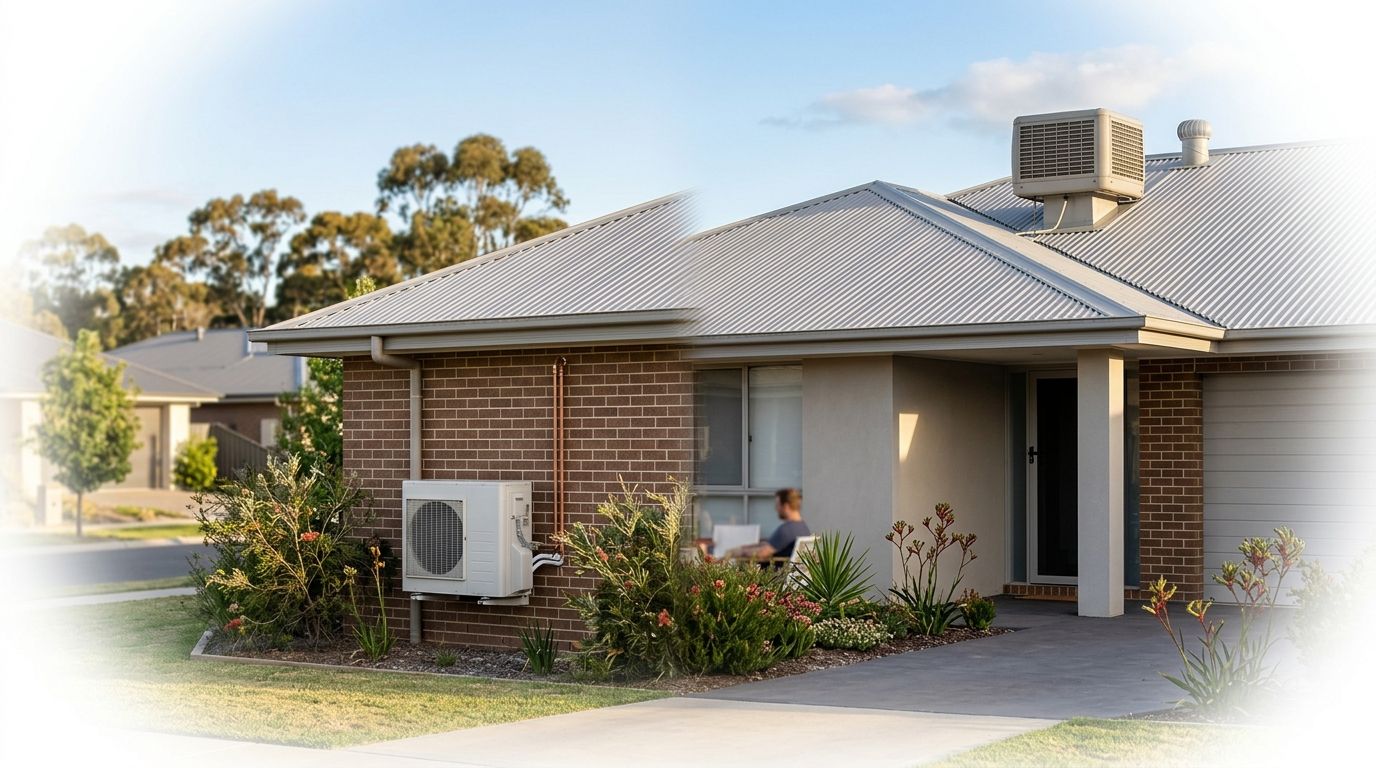
Split System or Ducted: How Do You Choose?
It's January in Sydney, the mercury is pushing 38 degrees, and you're standing in your living room wondering whether to cool just this one room or finally sort out the whole house. It's a question thousands of Sydney homeowners face every summer: split system or ducted air conditioning? Both will keep you comfortable, but the right choice depends on your budget, the size of your home, how you actually live in it, and what's involved in getting it installed. This article walks you through all four so you can make a confident decision before you call anyone out for a quote.
Key takeaways
- Split systems suit apartments and smaller homes, while ducted air conditioning works best for larger freestanding properties
- Split systems cost $1,500 to $4,500 to install, ducted systems cost $8,000 to $20,000 or more
- Inverter technology reduces energy consumption by 30 to 50 percent compared to older fixed-speed units
How Each System Works
Split systems and ducted air conditioners both move heat in and out of your home using refrigerant, but they deliver that comfort in very different ways. Understanding the basic mechanics of each will make every comparison that follows much easier to follow.
Multi-head split systems connect one outdoor unit to multiple indoor heads across different rooms and are worth considering if you want more coverage without full ducted installation.
AirFlow Australia installs both split systems and ducted air conditioning across Sydney's Inner West and North Shore, so we see firsthand which system suits which home.
Split Systems: Targeted Comfort, Room by Room
Split system air conditioning delivers precise temperature control to a single room or open-plan area using one outdoor unit paired with one wall-mounted indoor unit. You set the temperature you want, and the inverter compressor adjusts its output continuously to hold it there, rather than switching on and off at full power. That inverter technology is the main reason modern split systems are so efficient compared to older fixed-speed units.
Capacity typically runs from 2.5kW for a bedroom or small study up to 9.0kW for a large open-plan living area. This range makes split systems a natural fit for apartments, Sydney terrace homes and smaller freestanding houses where you only need to condition one or two key spaces.
The Daikin Cora 2.5kW is a solid entry-level example, well suited to a bedroom or compact living area, with supply-and-install pricing typically sitting around $1,800 to $2,200. Step up to the Mitsubishi Electric MSZ-AP series and you get a mid-range option known for whisper-quiet operation and strong energy star ratings, making it a popular choice for bedrooms where noise matters.
Ducted Systems: Whole-Home Climate Control
A ducted system conditions every room in your home from a single concealed unit installed in the roof cavity. Refrigerant lines run between the outdoor compressor and that indoor unit, which then pushes conditioned air through insulated ductwork to outlets in each room. From inside the house, all you see are the ceiling vents and a wall controller.
Capacity ranges from around 8kW for a smaller three-bedroom home up to 20kW or more for larger properties. Zoning controllers let you divide the house into areas, so you can cool the living zones during the day and switch to the bedrooms at night without conditioning rooms that are empty. That zoning capability is what keeps running costs manageable on a larger system.
The Daikin Ducted series, including the FDYAN and FDYQN models, is a reliable whole-home option with smart zoning built in, with installed pricing starting from around $10,000 for a three-bedroom home. The Fujitsu ducted range is another strong performer we regularly install across the North Shore.
One practical consideration for Sydney homeowners: ducted installation requires accessible roof cavity space to house the indoor unit and run the ductwork. Many Inner West terrace homes have very shallow or obstructed roof cavities, which can make ducted installation difficult or impossible without significant structural work.
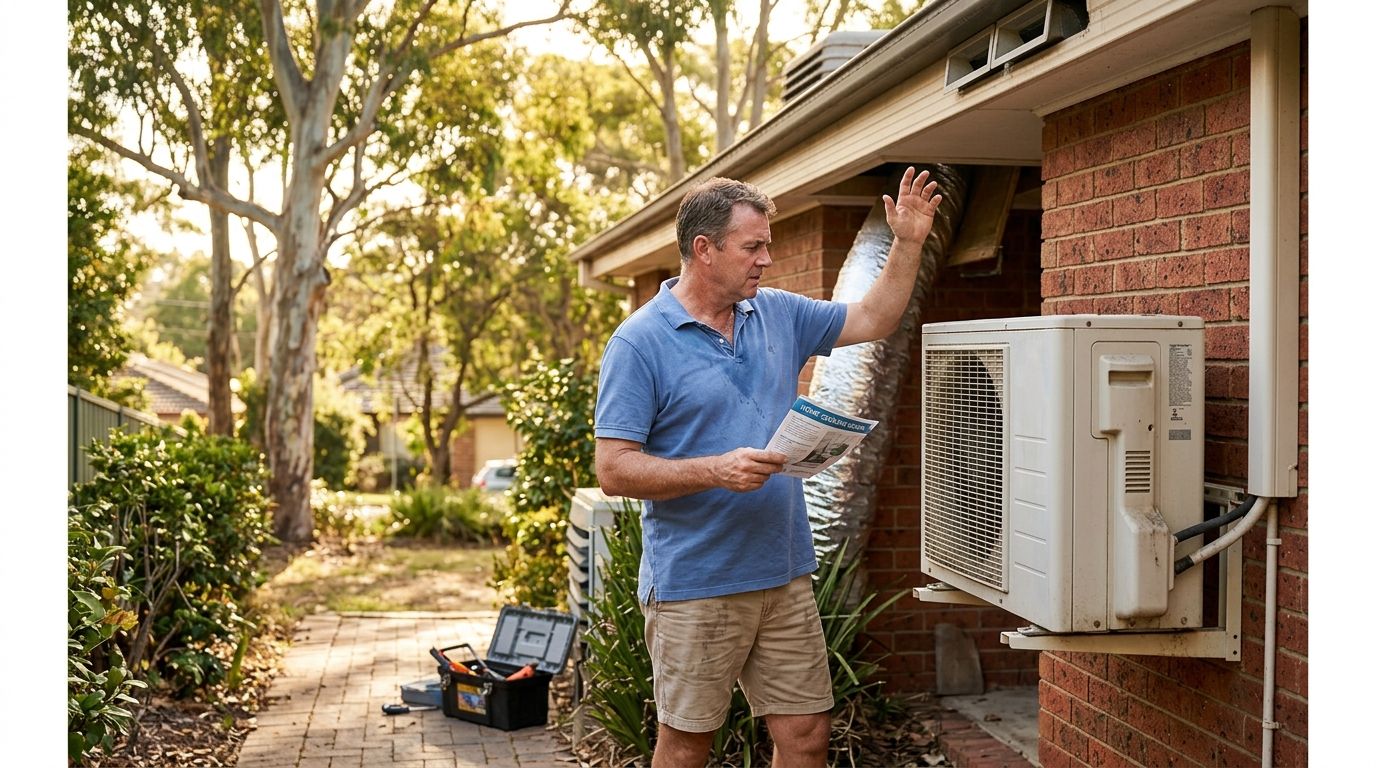
Split System vs Ducted: A Side-by-Side Comparison
Both split systems and ducted air conditioning will keep your home comfortable through a Sydney summer, but they are built for very different situations. The table below puts the key differences side by side so you can see at a glance which system lines up with your home, your budget and how you use your space.
| Feature | Split System | Ducted |
|---|---|---|
| Upfront Cost | $1,500 to $4,500 supply and install | $8,000 to $20,000+ supply and install |
| Installation Time | Half a day to one full day | Two to four days |
| Zones Covered | One room per unit (multi-head covers several) | Whole home from a single system |
| Aesthetic Impact | Visible wall-mounted indoor unit | Concealed, only ceiling vents visible |
| Running Cost (per day estimate) | $1 to $3 per unit for a typical room | $4 to $10+ depending on zones active |
| Suitability for Apartments | Excellent | Rarely feasible |
| Suitability for Large Homes | Limited without multiple units | Excellent |
| Zoning Flexibility | Each unit is its own zone | Programmable zones via wall controller |
| Roof Cavity Required | No | Yes |
Split systems win on upfront cost, installation speed and flexibility. A single unit can be up and running in a day for under $2,500, and you only pay to condition the rooms you actually use. For readers who want a full breakdown of what drives the price on larger installations, our guide to ducted AC installation cost in Australia covers every line item in detail.
Ducted air conditioning wins on whole-home comfort, aesthetics and long-term resale value. There are no wall units to look at, every room gets conditioned air, and a quality zoned system can be surprisingly efficient when you only run the zones you need. The higher upfront cost is the main barrier, but for a four-bedroom home on the North Shore it is often the more practical solution over the life of the property.
Which System Suits Your Sydney Home?
The right system depends less on personal preference and more on the physical realities of your property. Here is how we typically advise homeowners based on their situation.
Apartment or unit
A split system is almost always the right call. Apartments have no roof cavity for ductwork, and strata by-laws in most Sydney buildings restrict or outright prohibit the structural changes that ducted installation would require. A single well-sized split system in the main living area, or a second unit in the master bedroom, covers the vast majority of apartment cooling needs without any strata headaches.
Terrace or semi-detached home (Inner West: Balmain, Leichhardt, Newtown)
Split systems are the practical choice for most Inner West terraces. One or two units cover the key living spaces, and a multi-head system connecting two or three indoor heads to a single outdoor unit is worth considering if you want bedroom coverage without running separate outdoor units. Full ducted installation is rarely feasible in a terrace without major renovation work, because the roof cavities in these homes are typically shallow, obstructed or simply too small to house the indoor unit and ductwork.
Freestanding home with three or more bedrooms (North Shore: Wahroonga, Gordon, Pymble)
Ducted is worth the investment here. A freestanding home with a usable roof cavity, multiple bedrooms and a large open-plan living area is exactly what ducted systems are designed for. Whole-home comfort, a clean interior aesthetic and the added resale value make the higher upfront cost easier to justify, particularly in suburbs where buyers expect ducted air conditioning as a standard feature.
Rental property or investment
Split systems make more sense for most investment properties. The lower upfront cost, simpler maintenance and ease of replacement all work in a landlord's favour. A single quality unit in the living area satisfies most tenancy requirements and keeps ongoing costs predictable. For more detail on what the process involves, our article on split system installation covers what to expect from booking through to handover.
Whichever category your home falls into, a site inspection is the only way to confirm what is actually possible. Roof cavity access, electrical capacity and the location of existing infrastructure all vary from property to property, even within the same street. Contact AirFlow Australia on 0423 535 905 to book an inspection before committing to either system.
Running Costs and Energy Efficiency: What to Expect
A 2.5kW split system running eight hours a day costs roughly $0.50 to $1.00 per day at Sydney electricity rates of around $0.30 per kWh, making it one of the cheapest ways to cool a single room. A 14kW ducted system conditioning the whole home over the same period can cost $3.00 to $8.00 per day, though that figure drops considerably when smart zoning is used to run only two or three zones rather than the entire house.
The single biggest factor in both system types is whether the compressor uses inverter technology. Inverter-driven compressors ramp up and down continuously to hold your target temperature, rather than switching on at full power and cutting out when the room is cool enough. That difference alone can reduce energy consumption by 30 to 50 percent compared to older fixed-speed units, and virtually every new split system or ducted unit sold in Australia today uses inverter technology as standard.
Ducted systems with smart zoning can close the efficiency gap with split systems significantly. Daikin's zone controllers, for example, let you isolate the bedrooms at night and shut off the living zones entirely, so a 14kW system might only be working at the output of a 6kW unit for much of the day. Run it that way consistently and the per-day cost starts to look much more competitive.
Energy star ratings give you a quick way to compare models before you buy. The zoned energy rating label used in Australia shows separate star ratings for cooling and heating, with more stars meaning lower running costs. A 2.5kW split system rated at six or seven stars will cost noticeably less to run than a four-star model of the same capacity, and that difference compounds over a Sydney summer. For a full breakdown of how to read star ratings and which models lead the field on efficiency, see our guide to energy efficient air conditioners in Australia.
Frequently Asked Questions
Is a split system cheaper to run than ducted air conditioning?
Yes, in most cases a split system costs less to run per day because it only conditions one room or zone rather than an entire home. A 2.5kW split system running eight hours a day costs roughly $0.50 to $1.00 at Sydney electricity rates, while a whole-home ducted system can cost $3.00 to $8.00 per day. The gap narrows when a ducted system uses smart zoning to run only the rooms that are occupied.
Can I add more rooms to a split system later?
Yes, but each additional room requires its own indoor unit and, in most cases, its own outdoor unit unless you install a multi-head split system from the start. A multi-head system connects two to five indoor heads to a single outdoor unit, which is more cost-effective and takes up less outdoor wall space than running separate systems. Planning for future rooms upfront will save you money compared to retrofitting later.
How long does ducted air conditioning installation take?
A standard ducted installation in a three to four bedroom Sydney home typically takes two to four days. The timeline depends on the size of the system, the complexity of the ductwork layout and how accessible the roof cavity is. Homes with clear, open roof cavities are straightforward. Properties with obstructions, low pitch or limited access points will take longer and may require additional labour.
What size split system do I need for a bedroom?
A 2.5kW split system is the right size for most Sydney bedrooms up to around 20 square metres. Larger bedrooms or rooms with poor insulation, north-facing windows or high ceilings may need a 3.5kW unit to maintain a comfortable temperature on the hottest days. An oversized unit will short-cycle, switching on and off too frequently, which reduces efficiency and increases wear on the compressor.
Still Not Sure? Talk to a Sydney AC Expert
As a general rule, split systems suit apartments, terraces and smaller homes where targeted, affordable cooling is the priority, while ducted air conditioning makes more sense for larger freestanding homes where whole-home comfort and a clean aesthetic justify the higher upfront cost. That framework covers most Sydney properties, but every home has its own quirks and a site inspection is the only way to remove the guesswork entirely.
Roof cavity access, electrical capacity and the layout of your home all affect which system is actually feasible, and sometimes the right answer is a combination of both. Our team has installed air conditioning across the North Shore, Upper North Shore and Inner West, so we know the property types in these areas well.
Contact AirFlow Australia on 0423 535 905 or request a free quote online. We will assess your home and give you a straight recommendation with no pressure attached.